
بِسْمِ اللَّهِ الرَّحْمَٰنِ الرَّحِيمِ
شروع اللہ کے نام سے جو بڑا مہربان نہایت رحم والا ہے
In the name of Allah, the Most Gracious, the Most Merciful
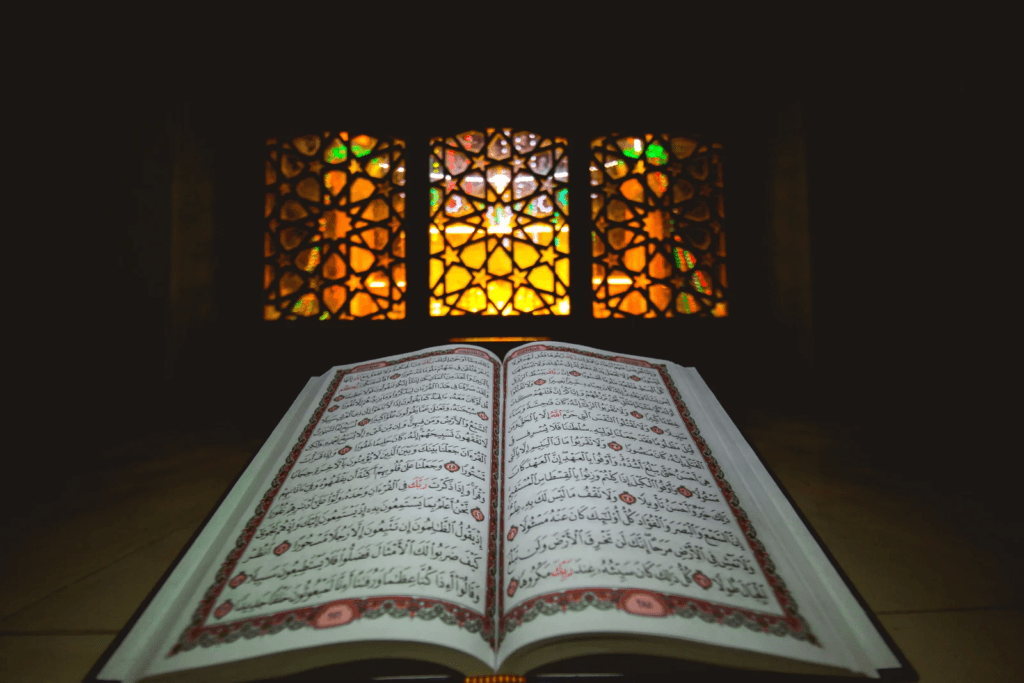
Performing Tawaf around the Holy Kaabah is one of the most spiritually uplifting acts of worship during Umrah and Hajj. For Muslims in the UK planning their pilgrimage, understanding the proper duas for Tawaf enhances the connection to Allah and brings deeper blessings during this sacred journey. This guide will help you navigate the spiritual significance, etiquette, and recommended supplications to recite while performing Tawaf, ensuring a fulfilling experience.
Tawaf is the act of circling the Kaabah seven times in a counterclockwise direction, symbolizing unity, devotion, and obedience to Allah. Every step taken during Tawaf is considered an act of worship, and the supplications recited amplify the spiritual reward. The Prophet Muhammad (SAW) emphasized that performing Tawaf with sincerity is a way to earn forgiveness, increase faith, and draw closer to the Almighty.
For UK pilgrims, integrating Tawaf into your Umrah package plan ensures that you approach this sacred ritual with preparedness and reverence. Many travel agencies also guide pilgrims on how to perform Tawaf smoothly, especially during peak times in Makkah.
Before beginning Tawaf, it’s important to be in a state of spiritual and physical purity. Make sure you have performed wudu (ablution) and are dressed in proper Ihram clothing. Men should wear two unstitched white garments, while women should wear modest clothing that covers the body, leaving the face and hands exposed.
Mentally prepare by focusing on the purpose of Tawaf, leaving worldly distractions behind. You may start with the intention (niyyah) of Tawaf, silently stating:
“I intend to perform Tawaf of Allah’s House seeking His pleasure.”
Pilgrims should also ensure that all logistics, including flights and accommodations, are confirmed as part of their Umrah Visa requirements, allowing them to focus entirely on worship without worry.
While there is no fixed list of supplications for Tawaf, the Prophet (SAW) encouraged pilgrims to recite authentic duas, praises, and personal requests during each circuit. The most important is the general dua for seeking forgiveness and guidance:
“Our Lord, accept from us and forgive us, and grant us Your mercy.”
Other recommended practices include reciting SubhanAllah, Alhamdulillah, and Allahu Akbar frequently, as these praises glorify Allah and enhance spiritual focus. Pilgrims may also recite personal duas for family, health, and guidance, remembering that Tawaf is a unique opportunity for heartfelt conversation with the Creator.
For UK pilgrims, it’s advisable to prepare a small list of personal supplications before arrival. Writing them down ensures nothing is forgotten, even amidst the excitement of the Haram. Combining these personal duas with the traditional supplications creates a deeply meaningful experience.
Tawaf requires patience, respect, and awareness of fellow pilgrims. Here are some key tips:
After completing Tawaf, it is Sunnah to pray two Raka’at behind Maqam Ibrahim, if possible. During this prayer, recite the verses from Surah Al-Kafiroon and Surah Al-Ikhlas, or personal supplications in your own language. This moment is a culmination of your Tawaf, reflecting devotion and spiritual alignment.
For UK Muslims planning an Umrah or Hajj journey, including Tawaf in your schedule helps create structure and maximizes spiritual benefit. Opting for a well-organized Umrah package can ease travel planning, ensuring accommodations near the Haram and guidance on ritual practices. Packages often include educational sessions explaining the proper method of Tawaf, the duas to recite, and tips for navigating the crowds safely.
Similarly, securing a in advance ensures a smooth entry into Saudi Arabia, allowing pilgrims to focus fully on worship without last-minute stress. UK-based travel agencies guide visa applications, flight bookings, and accommodation, helping first-time pilgrims approach Tawaf confidently.
Tawaf is not merely a physical act; it carries immense spiritual significance. Each step symbolizes devotion and surrender to Allah. Reciting duas with sincerity during Tawaf increases spiritual awareness, strengthens faith, and cultivates patience. UK pilgrims often report feeling profound tranquility and a sense of closeness to Allah after completing Tawaf, demonstrating its transformative effect on the soul.
Mastering the art of Tawaf and incorporating meaningful duas during Umrah and Hajj elevates your pilgrimage experience. By preparing spiritually and physically, reciting authentic supplications, and respecting proper etiquette, UK pilgrims can experience the full blessings of this sacred ritual. Whether part of an Umrah or facilitated through guidance for your Umrah Visa, Tawaf remains a cornerstone of your spiritual journey, offering forgiveness, peace, and divine connection.
Embark on your pilgrimage with intention, devotion, and heartfelt duas—making every circuit around the Kaabah a step closer to Allah’s mercy.