
بِسْمِ اللَّهِ الرَّحْمَٰنِ الرَّحِيمِ
شروع اللہ کے نام سے جو بڑا مہربان نہایت رحم والا ہے
In the name of Allah, the Most Gracious, the Most Merciful
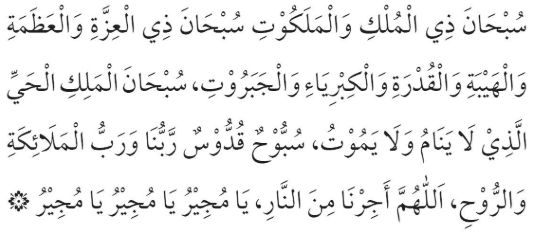
Taraweeh Dua is an integral part of the special prayer performed during the blessed month of Ramadan after the Isha prayer. Taraweeh is a beautiful act of worship that brings Muslims closer to Allah. Along with the recitation of the Quran, supplications made during this prayer hold great value. Many people ask about the Taraweeh Dua, its meaning, and why it is essential. This article explains everything in simple words.
Taraweeh is a voluntary prayer offered only in Ramadan. It is usually prayed in congregation at the mosque, but it can also be prayed at home. The word Taraweeh comes from an Arabic root meaning “rest,” because worshippers take short breaks between sets of prayers.
This prayer gives Muslims a chance to listen to or recite large portions of the Quran and to make heartfelt supplications to Allah during the night.
A dua is a supplication or prayer made to Allah. During Taraweeh, Muslims often make special duas asking for forgiveness, mercy, guidance, and protection. The dua taraweeh is not fixed to one exact wording; instead, it includes any sincere prayer made to Allah during or after the Taraweeh prayer.
These duas are powerful because they are made during a blessed time in a holy month.
Making dua during Taraweeh has profound spiritual importance:
The taraweeh prayer dua allows a believer to reflect on their life, ask for forgiveness, and renew their connection with Allah.
Many people want to understand what they are asking Allah for. The taraweeh dua in English usually includes meanings like:
Understanding the meaning helps the heart connect more deeply with the words.
In South Asian cultures, people often refer to the supplication as taraweeh ki dua, meaning the dua made during or after Taraweeh. While there is no single compulsory dua, people usually recite well-known Arabic supplications taught by scholars or make personal duas in their own language.
What matters most is sincerity, humility, and trust in Allah.
The taraweeh namaz is not just about standing and reciting verses. It is about spiritual renewal. Dua completes this worship by allowing a direct conversation with Allah. After lengthy recitation and standing, the heart becomes soft, making it the perfect moment to ask Allah for help, healing, and forgiveness.
Making dua during Taraweeh brings many benefits:
1. Forgiveness of Sins
Sincere duas in Ramadan help erase past mistakes and bring a fresh start.
2. Inner Peace
Dua during night prayer calms the heart and removes stress and sadness.
3. Stronger Faith
Regular supplication increases trust in Allah and strengthens iman.
4. Acceptance of Worship
Dua asks Allah to accept fasting, prayers, and good deeds.
5. Closeness to Allah
Speaking to Allah in the quiet of the night builds a deep spiritual bond.
You can make dua:
There is no restriction on language. You can make dua in Arabic or in your own words. Allah understands every language and every intention.
Taraweeh is a gift of Ramadan, and dua is its soul. When you combine prayer with sincere supplication, your worship becomes complete. Whether you recite long Arabic duas or speak from your heart, Allah listens. Make the most of these blessed nights and turn to Allah with hope, humility, and faith.
No, there is no single compulsory dua. Any sincere supplication is acceptable.
Yes, you can make dua in any language you understand.
After Taraweeh or after Witr prayer is considered best.
It is not obligatory, but it is highly recommended and rewarding.
Yes, women can pray Taraweeh and make dua at home, with the same reward as in the masjid.