بِسْمِ اللَّهِ الرَّحْمَٰنِ الرَّحِيمِ
شروع اللہ کے نام سے جو بڑا مہربان نہایت رحم والا ہے
In the name of Allah, the Most Gracious, the Most Merciful
Ramadan is a special time for Muslims around the world. It’s a month of fasting, prayer, and getting closer to Allah. One key moment each day is iftar, when you break your fast at sunset. Reciting a dua for iftar is a beautiful tradition that adds meaning to this act.
In this article, we’ll explore everything you need to know about the dua for breaking fast, including its words, meaning, and why it’s important. We’ll also look at how to say it right, some variations, and even modern ways people celebrate iftar in 2026. Whether you’re new to Ramadan or looking to refresh your knowledge, this guide is here to help.
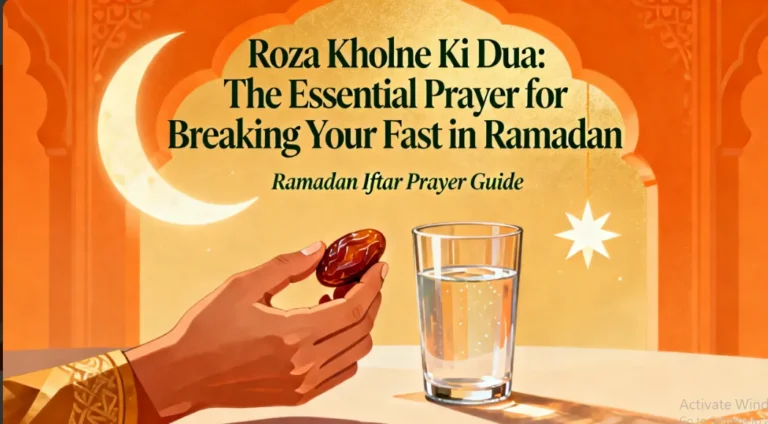
Iftar is the meal Muslims eat to end their daily fast during Ramadan. The fast starts at dawn (suhoor) and ends at sunset. Breaking the fast with dates or water is a Sunnah (practice) of Prophet Muhammad (peace be upon him). But before eating, saying a dua for iftar is recommended. This prayer thanks Allah for the strength to fast and asks for blessings.
The dua reminds us that fasting is not just about skipping food—it’s about spiritual growth, self-control, and empathy for those in need.
According to Islamic teachings, this moment is when prayers are more likely to be accepted. For more on the rules of fasting, check out this guide from IslamQA, a trusted source for Islamic rulings.The most common dua for iftar comes from reliable hadiths. Here’s the main one:
ذَهَبَ الظَّمَأُ وَابْتَلَّتِ الْعُرُوقُ، وَثَبَتَ الْأَجْرُ إِنْ شَاءَ اللَّهُ
(Dhahaba al-zama’ wa abtalat al-‘urooq wa thabata al-ajr in sha’ Allah)
Translation: The thirst is gone, the veins are moistened, and the reward is certain if Allah wills.
This dua is simple yet powerful. It’s reported in Sunan Abi Dawud, a respected collection of hadiths. Saying it shows gratitude and seeks reward for your fast.
Reciting the dua for breaking fast has deep spiritual benefits. It turns a simple meal into an act of worship. Prophet Muhammad (peace be upon him) taught us to break fast quickly at sunset and start with this prayer. It helps focus on Allah’s blessings, like the food provided after a day of patience.
In today's world, this dua also promotes mindfulness. With busy lives, it's a pause to reflect. Studies from Islamic scholars show that such prayers boost mental health during fasting. For authentic hadiths on this, visit IslamicFinder, a high-authority site for dua collections.Reciting the dua is easy, but doing it right makes it more meaningful. Here’s a step-by-step guide:
Remember, intention matters. If you’re hosting an iftar party, share the dua with guests for a communal feel. This builds unity, especially in diverse communities.
While the main dua is popular, there are a few authentic variations. Another common one is:
اللَّهُمَّ إنِّي لَكَ صُمْتُ وَعَلَى رِزْقِكَ أَفْطَرْتُ
(Allahumma inni laka sumtu wa ala rizq-ika aftartu)
Translation: O Allah! I fasted for You and I break my fast with Your sustenance.
This version emphasizes reliance on Allah’s provision. Choose one that resonates with you. Some people add personal supplications after the main dua, asking for forgiveness or health.
For more duas related to Ramadan, explore Duas.org, a reliable resource for Islamic prayers.In 2026, iftar practices are evolving with technology and global changes. Post-pandemic, virtual iftars via Zoom or apps are still popular for families apart. Social media trends show people sharing “dua for iftar in English” or audio clips for easy learning.
Health trends focus on balanced iftar meals—starting with dua, then hydrating foods. Apps now track fasting and remind you of duas. In cities like Hyderabad, community iftars promote charity, aligning with Ramadan’s spirit.
Stay updated with trends from sites like Yaqeen Institute, which discusses contemporary Islamic life.To hear the dua pronounced correctly, watch this helpful video. It’s a great way to practice:
This video is perfect for beginners and fits well with learning the dua for breaking fast.
The dua for iftar is more than words—it’s a connection to faith and tradition. By reciting it, you honor the purpose of Ramadan. Try incorporating it into your routine this year, and share it with loved ones. Remember, the best fast is one done with sincerity. If you’re preparing for Ramadan 2026, start planning your iftar duas now for a blessed month ahead.
This article is based on authentic Islamic sources to ensure accuracy and respect. Always consult a scholar for personal guidance.