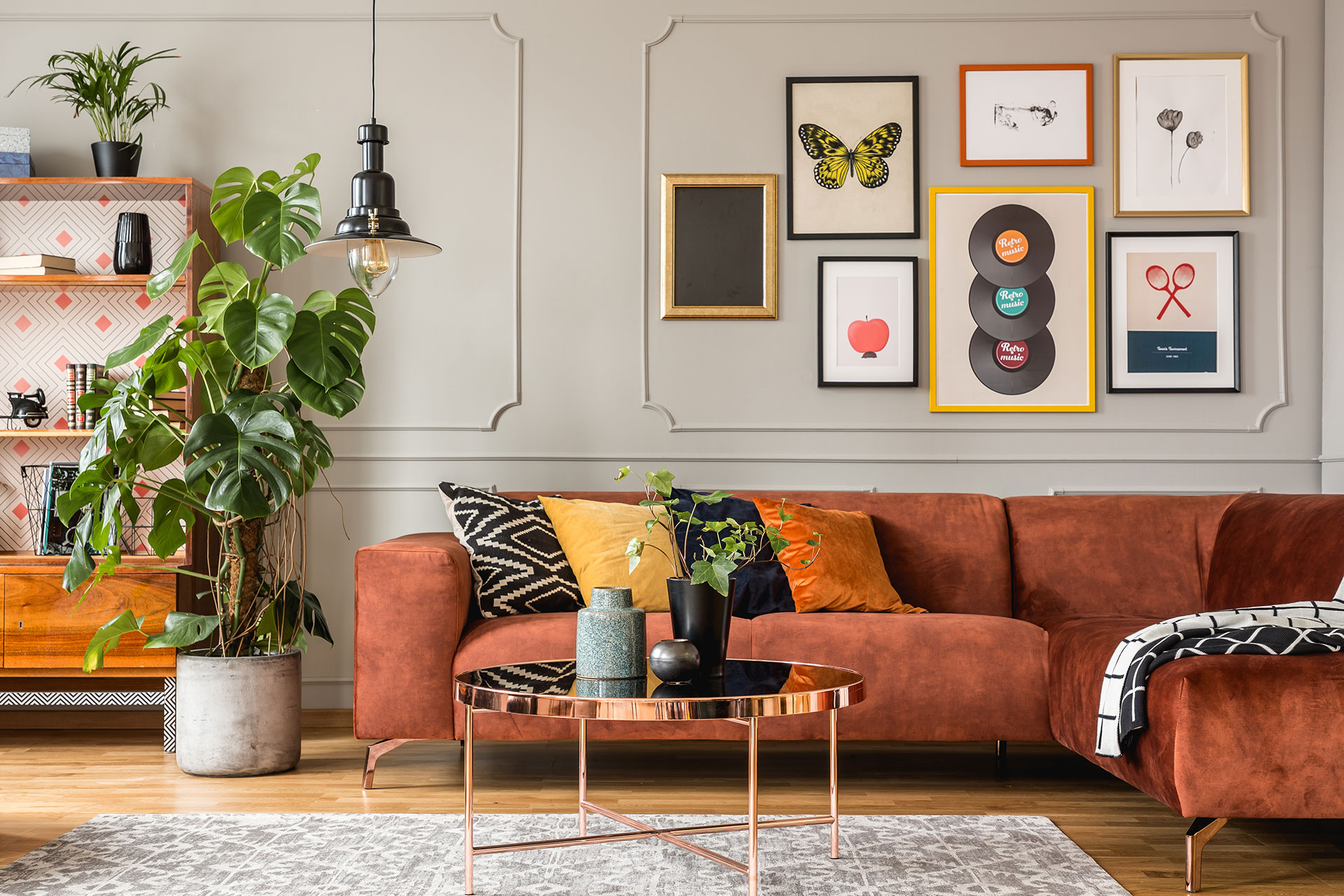

If you’ve been searching for home decor ideas brown and keep landing on the same tired advice about beige walls and leather sofas, I completely understand the frustration — because brown deserves so much better than that. I’ve walked into hundreds of homes where brown was playing it safe, sitting quietly in the corner, doing absolutely nothing. It’s a color that people keep apologizing for, and honestly? That needs to stop.
I’ve spent years writing about interiors, and brown — done right — is one of the richest, most layered palettes you can build a home around. These are the home decor ideas brown lovers reach for again and again, because they actually work.
In this article, I’m going to show you exactly how to use earthy brown tones in ways that feel expensive and intentional, from choosing the right shade for your light to avoiding the specific mistakes that make brown rooms look outdated, room by room, detail by detail.
Home Decor Ideas Brown: Why This Earthy Tone Is Having Its Biggest Moment Yet
Brown is everywhere right now, and home decor ideas brown are dominating every mood board I open this year. Not the muddy, forgettable brown of the early 2000s — I mean the deep, warm terracotta-adjacent brown showing up in every design magazine spread I’ve bookmarked this year.
And there’s a real reason for it. After years of all-white everything, people are exhausted by cold, sterile rooms. They want something that actually feels like home.
I noticed the shift about three years ago when a client in Chicago told me her white kitchen made her feel like she was living inside a hospital.
We painted the lower cabinets a rich walnut brown and added linen curtains. She texted me a week later: “I finally want to cook in here.”
That reaction? Incredibly common right now. Brown creates warmth the second you walk into a room — it doesn’t need layering tricks or perfect lighting to do its job.
The other thing driving this moment is the shift toward natural materials, which is exactly why home decor ideas brown feel so effortless right now. Rattan, reclaimed wood, stone — they all pull brown in naturally. Your decor is already halfway there without even trying.
So if you’ve been hesitating with your home decor ideas brown Pinterest board, unsure whether it’ll look dated six months from now — it won’t. This isn’t a trend chasing its tail. It’s a return to something that’s always felt right, just finally getting the credit it deserves.

Understanding the Brown Spectrum: Choosing the Right Shade for Your Space
Not all browns are created equal, and that’s the first thing to understand before trying any home decor ideas brown for your own space. And picking the wrong one is genuinely the most common mistake I see homeowners make before they’ve even bought a single piece of furniture.
The spectrum runs from cool to warm, and that distinction matters more than the shade itself. A gray-leaning brown like driftwood can feel sophisticated in a north-facing room flooded with cool light — but drop it into a sunny southern room and it goes flat and lifeless fast.
Warm browns are different, and they’re usually the ones behind the coziest home decor ideas brown you’ll find in a low-light room. Chestnut, cognac, dark walnut — they pull red and orange undertones, and those undertones do something almost magical in low-light spaces. They glow.
Here’s a quick way I sort the spectrum for homeowners:
- Light caramel and sand browns — airy, soft, great for bedrooms and smaller rooms where you need breathing space
- Mid-tone terracotta and clay browns — the sweet spot for living rooms; rich without feeling heavy
- Deep espresso and walnut — bold, dramatic, works best when balanced with something light like cream linen or natural plaster walls
I always tell people to test your chosen brown against the room’s actual light at three different times of day — morning, noon, and evening. Paint a large swatch, at least 12 by 12 inches, not a tiny chip.
The chip will lie to you every time.

Room by Room: How to Build a Brown-Based Design Scheme That Feels Cohesive
The biggest trap I see people fall into is treating brown as one room’s problem to solve, when the best home decor ideas brown always think in terms of the whole house. They get the living room right, then walk into a hallway that feels completely disconnected — and suddenly the whole house feels accidental.
Cohesion isn’t about matching — the strongest home decor ideas brown are built on shared undertone, not identical shades. It’s about threading the same undertone through every room at different intensities.
Here’s how I think about it: pick one brown anchor shade — say, a warm chestnut — and let each room carry a different version of that same warmth. Living room gets the full, saturated version on the walls. Bedroom gets it softened into caramel through textiles. Kitchen gets it grounded through wood grain and hardware.
I did exactly this for a client in Toronto whose house had four different stain colors on the wood floors from previous renovations, and it’s one of my favorite home decor ideas brown case studies to point to. Matching was impossible. So instead, we leaned into the warmth they all shared and layered rugs and furniture around that common thread. Visitors assumed the floors were intentionally varied.
The rule I use: every room should have brown touching at least three different surfaces — wall, floor, and one textile or furniture piece. That triangle keeps things grounded without feeling monotonous.
Sound familiar — the room where one element looks great but nothing else talks to it? That’s usually a missing third point in the triangle.
With good home decor ideas brown as your foundation, the rooms start pulling each other forward instead of fighting for attention.

The Colors That Pair Best With Brown and Exactly How to Use Them
Brown’s biggest weakness? People pair it with the wrong colors and then blame the brown — most failed home decor ideas brown come down to this one mistake.
The combinations I reach for most fall into three categories:
- Cream and off-white — not stark white, which fights brown’s warmth. Creamy, slightly yellow-toned white lets brown breathe without washing it out.
- Dusty sage green — this pairing feels almost alive together. I used it in a client’s sunroom: chocolate brown rattan chairs against sage green walls, and three people asked if she’d hired a designer.
- Terracotta and rust — these sit in the same earthy family, so they layer without clashing. Use rust as an accent, not a co-star.
Here’s where most people go wrong: they pair brown with cool gray, hoping it feels modern. It almost never does. The gray pulls blue, the brown pulls red, and the room ends up looking like it can’t decide what it wants to be.
I made that exact mistake in my own office about four years ago. Took me an embarrassingly long time to figure out why nothing felt settled.
The fix was swapping the gray throw for a warm oatmeal linen. Immediate difference. Same brown, completely different room.
With good home decor ideas brown as your base, the color pairings don’t need to be complicated — they just need to share the same warmth.

Textures and Materials That Make Brown Interiors Feel Rich Instead of Flat
Brown goes flat for one reason almost every time, and it’s the detail most home decor ideas brown skip entirely: texture. Not enough texture contrast. When everything in a room sits at the same surface depth — smooth wall, smooth sofa, smooth floor — brown loses its richness completely.
The materials I reach for first are the ones that catch light differently, since the best home decor ideas brown always play with contrast in surface, not just color. Rough linen against a polished walnut side table. A chunky jute rug under a sleek leather chair. That friction between surfaces is what makes a brown room feel intentional rather than accidental.
I learned this the hard way in my own living room. I had a beautiful cognac sofa, warm wood floors, and earthy walls — and it still looked dull. Turned out every single surface was the same matte finish. I added one hammered brass lamp and a nubby boucle throw, and the whole room suddenly had dimension.
The materials that work best together in a brown-based space:
- Raw linen and cotton — breathable, soft, pulls light toward it without competing
- Rattan or cane — adds an airy woven layer that keeps brown from feeling too heavy
- Matte ceramic or clay vessels — absorb light instead of reflecting it, grounding the whole palette
- Live-edge or reclaimed wood — the grain variation alone adds more visual interest than any accessory
So what actually works as a quick fix? Start with your throw pillow. Swap anything smooth for something woven or textured and notice the difference before spending a cent on anything else.

How to Layer Brown in Small Spaces Without Making Them Feel Dark or Heavy
Small rooms scare people away from brown faster than anything else. They assume dark equals smaller, and they default back to white. But that logic only holds if you use brown the wrong way.
The real problem isn’t the color. It’s using brown at full saturation on every surface at once.
What actually works? Pick one surface to carry the brown — usually the floor or a single accent wall — and let everything else stay light. Cream walls, natural wood in a pale honey tone, maybe a woven rattan piece that reads airy instead of heavy.
I decorated a client’s 9-by-11 bedroom in Portland almost entirely around a deep walnut bed frame. That was the brown anchor. Walls stayed warm white, bedding went soft caramel linen, and one small jute rug grounded the floor. The room felt cozy, not cramped.
She told me afterward it was the first bedroom she’d ever had that felt like a hotel room. Small, but intentional.
Lighting matters more in small brown spaces than anywhere else. One warm-toned lamp — around 2700K bulb temperature — does more for a brown room than doubling the natural light.
When you’re working through your home decor ideas brown for a compact room, think contrast in weight. Keep the lower half of the room darker and the upper half lighter. That simple shift stops a room from feeling like it’s closing in.

Furniture, Accents, and Statement Pieces Worth Investing In for a Brown Palette
Brown rooms live or die by the one or two pieces you actually invest in — a rule that holds true across almost every home decor ideas brown project I’ve styled. Everything else can be thrifted, layered, swapped out seasonally — but your anchor pieces need to earn their place.
The single piece I recommend saving for first? A solid wood side table or coffee table with real grain variation. Not veneer. Not laminate. The difference in how light moves across actual wood grain is something no budget piece can fake.
After that, the choices open up a lot more. Here’s what I’d prioritize in a brown-based room:
- A leather or boucle sofa — leather deepens beautifully over time, boucle adds instant texture. Either one anchors a brown palette without fighting it.
- One brass or aged bronze lamp — the warm metal bounces light in a way that makes brown walls glow, especially in the evening.
- A large ceramic vessel — something matte, hand-thrown looking, in a tone that’s either lighter or slightly cooler than your dominant brown shade.
- A woven jute or wool rug — sized generously, front legs of all furniture on it. Under-sized rugs are the number one thing I fix in client homes.
I once watched a client spend $800 on brown throw pillows trying to fix a room that needed a bigger rug. Went from a 5×8 to an 8×10 and suddenly everything she already owned looked intentional.
That’s usually the fix. Not more stuff — just one better piece, sized right.

Common Mistakes That Make Brown Rooms Look Dated or Dull — and How to Avoid Them
The mistake I see most often? Too much brown at once — it’s the fastest way to turn good home decor ideas brown into a room that feels like a cave. Same tone, same depth, every surface — walls, sofa, floor, curtains. The room stops reading as cozy and starts reading as cave.
Here’s what actually ages a brown room fast. These four things come up in almost every home I walk into where something feels off:
- Matching wood tones exactly — when your floor, table, and shelves are the same stain, it flattens everything. Mix light and dark wood grains intentionally instead.
- Brown with cool gray — I covered this earlier, and I’ll say it again: they fight. Gray pulls blue, brown pulls red, and the room looks undecided.
- No light source with warm output — daylight bulbs make brown walls look murky. Swap to 2700K and the same wall looks completely different by 7pm.
- Accessories in the same brown family — if your vase, throw, and lamp are all chestnut, there’s nothing for the eye to land on.
The fix for almost all of these is contrast — not color, just contrast in tone or texture. Add one lighter element. One cooler accent. One material that reflects light when everything else absorbs it.
Sound familiar? That’s the room that has all the right pieces but still feels like something’s missing. Nine times out of ten, what’s missing is a single element sitting outside the brown family entirely.

Bringing It All Together: How to Know When Your Brown Decor Is Actually Working
Here’s the honest truth: you’ll know it’s working when you stop noticing the brown — that’s the real test for any home decor ideas brown you try.
Not because it disappears — because it settles. The room starts feeling like a place you want to be in, and you stop mentally rearranging it every time you walk through the door.
I had a client in Seattle who would text me photos of her living room every other week, convinced something was wrong. Then one day she went quiet. Three weeks later she sent a single message: “I stopped taking pictures. I just sit in there now.” That’s the sign.
Beyond the feeling, there are a few concrete things I check when I’m evaluating whether a brown room has actually landed.
- Three surfaces touched — floor, wall, and at least one textile or furniture piece are all carrying some version of the brown undertone
- One element outside the brown family — something the eye can rest on that isn’t earthy: a sage green plant, a cream lampshade, a single cream-colored book stack
- No two identical wood tones — grain variation is doing quiet visual work that keeps things from reading flat
If those three things are in place, your home decor ideas brown are working — even if it doesn’t feel dramatic.
Good brown rooms rarely shout. They just hold you.

Final Thoughts: Why Brown Deserves a Permanent Place in Your Design Vocabulary
Brown isn’t a trend you need to time right. It’s been in homes for centuries — in wood beams, in worn leather, in clay floors — and it will still be there long after the next “color of the year” fades out.
What’s changed is how we’re using it. Not apologetically. Not as a placeholder until something better comes along. As the actual foundation of a room that feels real and lived-in.
I’ve spent years pushing homeowners toward brown when they were scared of it. The ones who committed — who let it anchor a whole room instead of just sneaking it into a throw pillow — are the ones who stopped redoing their spaces every eighteen months.
That’s not a small thing. Constant redecorating is exhausting, and usually it happens because a room never felt settled in the first place.
Brown settles a room. It does that better than almost any color I’ve worked with.
So if you’ve been circling back to the same home decor ideas brown pins without pulling the trigger, this is me telling you to go ahead. Test the swatch. Buy the rug. Paint the wall.
You don’t have to get it perfect on the first try. You just have to start somewhere warmer than white.