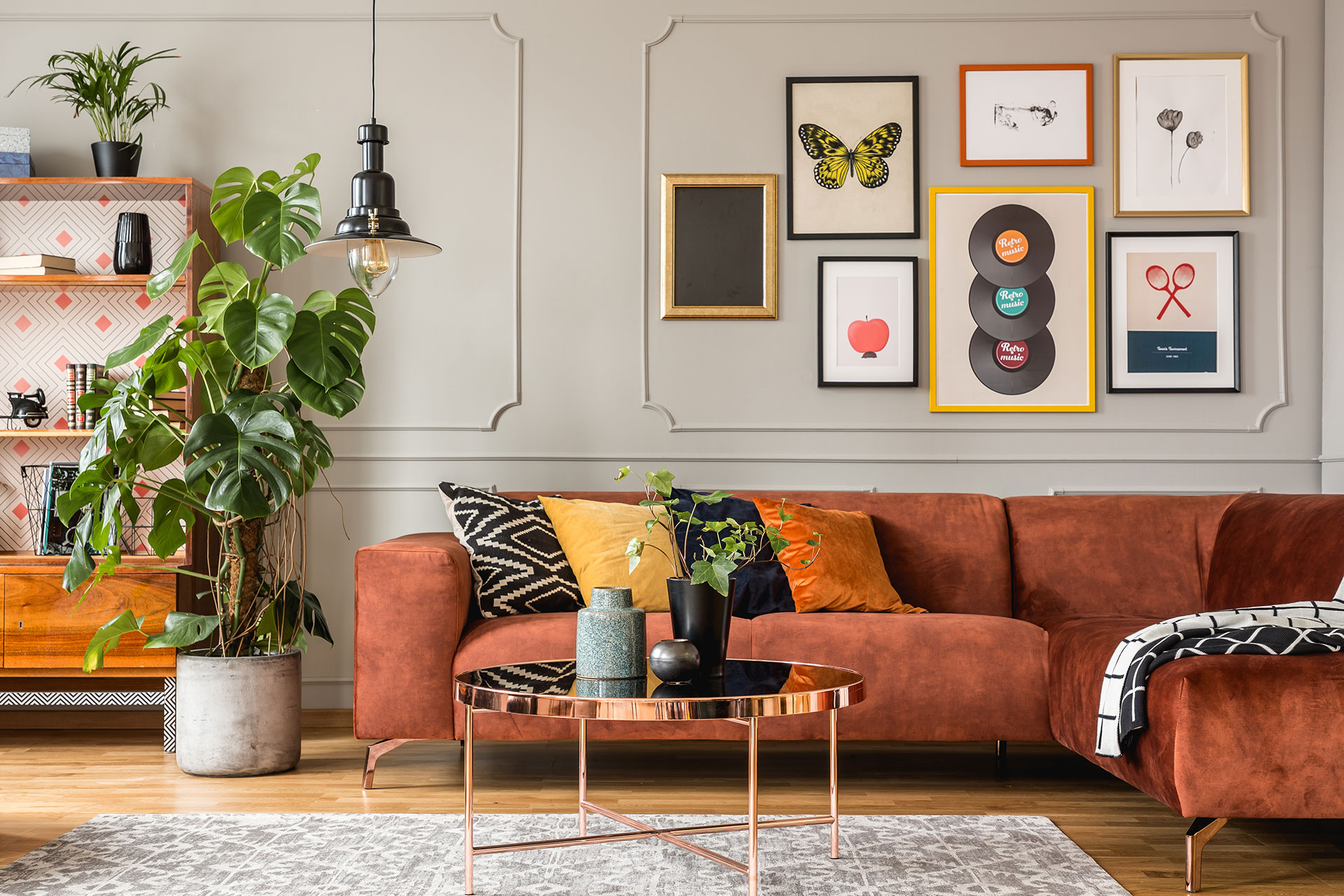
If you’ve been searching for home decor ideas classic enough to actually last — not just look good in a Pinterest screenshot — I think I know exactly where you’re at right now. You’ve probably redecorated at least once, maybe twice, and something still feels off.
The room looks fine, but it’s missing the small touches that separate ordinary decorating from real home decor ideas classic homeowners return to for years. But it doesn’t feel like you, and it certainly doesn’t feel timeless.
I’ve sat in hundreds of homes over the years, and the ones that genuinely stop you in the doorway always share the same quiet confidence — not expensive exactly, just considered.
In this article, I’m going to walk you through the real principles behind classic interior design: the color choices, the furniture decisions, the small details that designers return to again and again because they simply work — the same principles you’ll see applied in these luxury living room interior design ideas. By the time you finish reading, you’ll have a clear, honest picture of what makes a home feel enduring rather than just decorated.
What Home Decor Ideas Classic Really Means in Today’s Interior Design World
Classic doesn’t mean old. That’s the first thing I want to clear up, because I see homeowners confuse the two constantly.
Classic means a room that still feels right in ten years. It’s not about antiques or formal living rooms with roped-off sofas. It’s about choices that hold up — colors that don’t tire you, furniture with real bones, details that age well instead of dating themselves.
Sound familiar? You’ve probably walked into a room decorated around a trend and felt that quiet awkwardness of something slightly expired.
I redecorated a client’s living room in 2019 around a very specific shade of millennial pink. By 2021, she called me. The room felt like a time capsule — and not in a good way.
That’s the real cost of chasing trends. Not just money. It’s the slow drain of living inside something that no longer feels like you.
The home decor ideas classic designers return to again and again aren’t boring. They’re just built on proportion, warmth, and restraint — three things that never go out of style.
Trends get louder every year. The algorithm rewards what pops on a screen. But a room you actually want to live in? That’s built on entirely different rules.

The Foundational Elements That Define a Timeless Classic Interior
There are really only four things that make a room feel timeless. Not twenty. Not a mood board full of Pinterest saves. Four.
Proportion, warmth, restraint, and a sense of history. Every classic interior I’ve ever walked into — whether a Victorian townhouse in Edinburgh or a craftsman bungalow in Portland — lands on those same four qualities.
Here’s what that actually looks like in practice.
- Proportion over size. A sofa doesn’t need to be massive to anchor a room. It needs to be the right scale for the walls around it. I once helped a client swap a 9-foot sectional for a tighter 7-foot roll-arm sofa — same room, suddenly felt twice as intentional.
- Warmth in every layer. Wood, linen, aged brass, natural stone. If you can touch it and it feels cold, the room will feel cold too.
- Restraint with pattern. Classic rooms rarely use more than two patterns at once. One dominant, one accent. That’s the ceiling.
- Something with a story. One piece that looks like it was found, inherited, or earned. It grounds everything else and gives the room a soul that new furniture simply can’t fake.
The home decor ideas classic designers come back to aren’t complicated. They’re just applied consistently — across every surface, every layer, every decision in the room.
That consistency is the whole thing. Miss it, and the room looks assembled. Nail it, and it just feels right — which is exactly why home decor ideas classic homeowners trust rarely change from year to year.

How to Choose a Classic Color Palette That Feels Elevated, Not Outdated
Color is where most people go wrong first — for a full breakdown of palettes and undertones, see these home decor color ideas. They pick a shade they love on a swatch, paint an entire wall, and then wonder why it feels either too cold or somehow costumery.
I did this myself with a dusty blue in my own living room back in 2017. Beautiful chip. Terrible on four walls under afternoon light. The whole room felt like the inside of a tin can.
So what actually works? Warm neutrals with just enough undertone to keep them from reading as plain white. Think linen, warm ivory, soft stone, aged sage. These aren’t beige-and-boring — they’re colors that shift with light throughout the day, which is exactly what gives a room depth.
The rule I stick to: three colors maximum — one dominant, one secondary, one accent — a simple formula behind most home decor ideas classic color palettes that actually work. Anything beyond that and the room starts competing with itself instead of settling.
Your accent is where personality lives. Deep navy, muted terracotta, forest green — any of these can anchor a classic space without dating it, as long as they show up in small, deliberate doses. A throw, a lampshade, one cushion.
For home decor ideas classic enough to outlast a single decade, stay out of the heavily saturated end of the color wheel. Muted always ages better than bold. Bold is a statement. Muted is a feeling — and feelings don’t go out of style.

Furniture Selection and Arrangement: Building Rooms That Stand the Test of Time
Furniture is where I see homeowners spend the most money and make the most recoverable mistakes.
The biggest one? Buying pieces individually, from different stores, in different eras — then wondering why the room feels unsettled. I call it the showroom trap. Each piece looks great alone. Together, nothing agrees.
The fix is simpler than it sounds, and it’s one of the most reliable home decor ideas classic homeowners use to fix an unsettled room. Pick one anchor piece first — usually the sofa — and let every other decision follow it. Scale, finish, leg height. That one piece sets the whole conversation for the room.
On arrangement: most people push furniture against walls. It feels safer, like it leaves more floor space. But rooms actually feel larger and more intentional when pieces are pulled at least 18 inches from the wall, grouped toward the center.
I rearranged a client’s living room in Denver without buying a single new piece. Just pulled the sofa forward, angled the chairs slightly, and moved the coffee table closer. She thought I’d brought in new furniture. I hadn’t touched a thing.
For home decor ideas classic enough to hold up across years, prioritize these three furniture qualities over everything else:
- Solid wood or real upholstery — not veneer, not microfiber. It ages better and actually improves over time.
- Simple silhouettes — clean lines without decorative legs or carved details that anchor a piece too firmly in one decade.
- Consistent leg finish — walnut, brass, or black throughout. Mixing finishes randomly is what makes a room feel assembled rather than designed.

The Role of Texture, Pattern, and Layering in a Polished Classic Home
Texture is what separates a room that photographs well from one that actually feels good to sit in.
I learned this the hard way after finishing a client’s bedroom in all-linen, all-cotton, all-flat — a mistake you can avoid with these cozy bedroom decor ideas. Beautiful on camera. In person, it felt like a hotel room that nobody had moved into yet.
The fix was simple. We added a chunky wool throw, a jute tray, and one small velvet cushion. Three textures — that’s all it took to make the room feel genuinely lived in.
So what’s the actual rule? I tell every homeowner the same thing: you want at least four different textures in any sitting room. Smooth, rough, soft, and something with sheen. Not four of the same category dressed up differently — actually four distinct surface feelings.
Pattern follows similar logic. Most people either avoid it entirely or overdo it. For home decor ideas classic enough to hold up long-term, one pattern per room is usually enough — maybe two if one is very small-scale and recedes into the background.
A stripe and a floral on the same sofa? That’s two dominant patterns fighting for the same space. Pick one. Let it breathe.
Layering ties it together, and it’s often the missing step in home decor ideas classic homeowners try but never quite finish.
Rug under a smaller rug, cushions of two different sizes, a throw folded across one arm of the sofa — not draped perfectly, but casually. Deliberate imperfection is what makes a room feel like someone actually lives there.

Lighting Choices That Anchor a Classic Aesthetic in Every Room
Lighting is the thing most homeowners fix last, even though it shapes home decor ideas classic spaces more than almost anything else. It should be first — these boho bedroom lighting ideas show exactly how layered light changes a room.
I’ve walked into rooms with beautiful furniture, perfect color, great rugs — and they still felt flat. Every time, the culprit was the same: one overhead fixture doing all the work.
Overhead light alone flattens a room. It washes everything out, kills shadow, removes depth. The fix isn’t expensive. It’s just layered.
I always tell homeowners to aim for at least three light sources in any sitting room — one ambient (the overhead), one task (a table lamp), one accent (a floor lamp or sconce). That mix is what makes a room feel warm at 7pm instead of surgical.
Bulb temperature matters more than most people realize — Pantone has long tracked how warm versus cool tones shift mood in a space. Anything above 3000K reads cool and clinical — fine for a bathroom, wrong for a living room. Stay at 2700K for main spaces. That soft amber tone is doing more heavy lifting than any lampshade you’ll ever buy.
For classic home decor ideas, aged brass or matte black fixtures hold up the longest. Chrome dates. Brushed nickel goes in and out. Brass just quietly belongs in every decade.
One thing I learned from a project in Toronto: dimmers aren’t optional. A single dimmer switch changed how a client used her living room entirely. Same furniture, same lamps — just control over the mood.
That’s the whole point of lighting. Not brightness. Control. It’s one of the simplest home decor ideas classic homeowners consistently underestimate.

Artwork, Antiques, and Accessories: Curating Details That Tell a Story
Accessories are where most people either overcrowd or completely give up.
I’ve seen both. A mantle so loaded with objects it looks like a flea market. And a living room so spare it feels like nobody actually lives there — just visits occasionally and leaves.
The rule I use: odd numbers and varying heights. Three objects, not four. Different scales — something tall, something low, something with weight. That combination creates visual movement without chaos.
Antiques don’t need to be expensive — one of the most affordable home decor ideas classic collectors swear by is simply shopping secondhand. They just need to be real.
One piece that carries actual age — a worn leather book, a chipped ceramic bowl from an estate sale, a framed botanical print — does more for a room than a whole shelf of matching new decor.
A client in Vancouver had a beautiful living room that felt completely anonymous. She’d spent real money on everything. But nothing had a story. We found one battered brass candlestick at a local market for eleven dollars. That single object changed the whole feeling of the shelf it sat on.
Artwork follows the same logic. Hang it lower than feels natural — eye level seated, not standing — see this 8×10 photo wall display idea for an example done right.
Most people hang art too high, and it disconnects from the furniture below it entirely — these are the exact art ideas stylists use to fix boring walls. — a mistake even Elle Decor frequently calls out.
For home decor ideas classic enough to last, the detail layer should feel collected, not matched. Matched looks like a catalogue. Collected looks like a life.

How to Blend Classic Style with Modern Comfort Without Losing Elegance
This is the question I get asked most. And honestly, it trips people up because they think classic means stiff. It doesn’t.
The real tension isn’t between classic and modern. It’s between looking good in photos and actually wanting to sit there at the end of a long day.
Here’s what I’ve learned: comfort and elegance stop fighting each other the moment you stop treating them as opposites. A deep-seated sofa with a tight, tailored linen slipcover is both. A worn leather ottoman used as a coffee table is both.
The mistake I see constantly is homeowners going full formal — stiff chairs, fragile surfaces, nothing you’d actually use. One client in Chicago had a living room that looked straight out of a design magazine. Nobody ever sat in it.
That’s not classic. That’s a display — and it’s the opposite of the home decor ideas classic homeowners actually want to live with every day.
For home decor ideas classic enough to feel livable, I follow one rule: every piece must earn its place through use, not just appearance. If you’re afraid to put a glass on it, it doesn’t belong in the main room.
Bring in modern comfort quietly — a deep sofa, good reading light, a rug soft enough to sit on — this mix of comfort and style is at the core of these modern home decor ideas. Then let the classic details — aged wood, simple lines, one brass accent — do the visual work around it.
The room should feel like someone thoughtful lives there. Not like a furniture showroom that’s been roped off.

Mistakes That Make Classic Decor Look Stuffy, Dated, or Just Plain Wrong
Classic decor goes wrong in a few very specific ways. And most of them aren’t about taste — they’re about overcorrecting.
The most common mistake I see: too much matching — and it’s just one of several DIY tricks that fool everyone into thinking a room cost more than it did. Furniture suite from one collection, lamps as a pair, artwork that coordinates with the throw pillows. It looks catalogue-perfect and completely soulless.
The room tells you nothing about the person who lives there.
Second mistake? Formality without function. Chairs nobody sits in. A coffee table you can’t actually put a coffee on. I walked through a home in Seattle last year where every surface was styled but nothing was usable. That’s not classic — that’s a showroom nobody invited.
Here are the mistakes I see pulling classic rooms in the wrong direction most consistently:
- Too many matching pieces — suites kill character faster than any trend
- Overcrowded walls — more than three framed pieces on one wall usually reads cluttered, not curated
- Ignoring scale — a tiny lamp on a large console table, a small rug under a full sofa, anything undersized for its job
- All-new everything — no age, no story, no reason to linger
The fix for most of these is editing, not buying, which is the quiet secret behind most home decor ideas classic rooms that still feel right years later. Remove three things from a shelf and suddenly the right ones finally have room to breathe.
For home decor ideas classic enough to last, the goal is a room that looks like it grew over time — not one that arrived all at once on a delivery truck.

Final Thoughts: Why Classic Home Decor Is Always Worth the Investment
Here’s what I know after years of this work: the rooms people remember are never the ones that chased a moment. They’re the ones that were built slowly, with intention.
Classic decor costs more in thought than it does in money. A $40 brass candlestick from a secondhand shop will outlast a $200 trending piece every single time — because one has character and the other has a shelf life.
I’ve watched homeowners redecorate three times in five years trying to keep up. Same budget, same effort, new room every couple of years. That’s exhausting. And it never quite lands.
The home decor ideas classic designers keep returning to aren’t secrets. They’re just patient. Proportion over flash. Warmth over novelty. One real thing over ten matching ones.
So start smaller than you think you need to — most home decor ideas classic transformations begin with one small, deliberate change. Pick one room. Fix the lighting first. Find one piece with a story. Pull the furniture off the walls. That’s it for month one.
You don’t need to do everything at once. You just need to stop undoing good decisions to chase the next thing you saw on a screen.
Build the room for the person who actually lives there. That’s the only rule that never goes out of style.