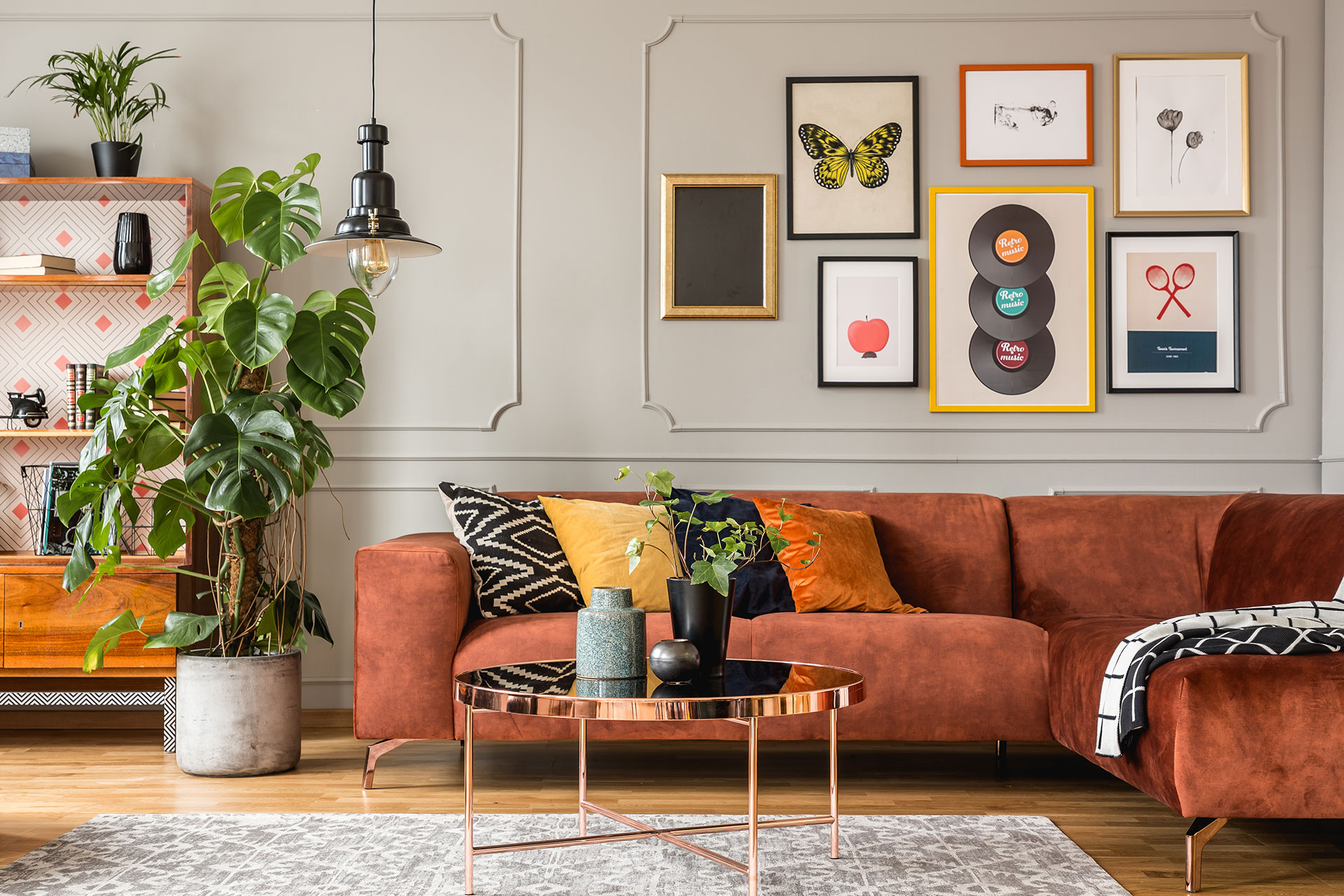

If you’ve been scrolling through home decor ideas craft creative projects and still feel stuck — like nothing you try actually looks the way you imagined — I want you to know that feeling is incredibly common, and it’s not about your taste. It’s exhausting. You see something stunning online, you try to recreate it, and somehow it ends up looking nothing like the inspiration.
That gap between what you envision and what ends up on your shelf? That’s exactly what this article is here to close.
I’ve worked with enough homeowners over the years to know that the problem is rarely budget or skill — it’s usually the little decisions nobody talks about, like material choices, scale, and how pieces relate to each other in a room.
In this guide, I’m going to walk you through everything from assessing your space honestly to picking the right supplies, so your handmade and creative decor pieces look intentional, polished, and genuinely like you — not like a rushed craft project that somehow ended up on the mantel.
Home Decor Ideas Craft Creative People Actually Use to Transform Their Spaces
Most people think transforming a space means spending a lot of money or having some kind of natural design gift. Neither is true.
I’ve watched homeowners spend $400 on new throw pillows and still feel like something’s off. Then spend $12 on a secondhand frame, repaint it, and suddenly their whole living room feels curated.
The difference? It wasn’t the price. It was the intention behind the choice.
The home decor ideas craft creative people actually swear by aren’t complicated — they’re just more deliberate than what most of us do on autopilot.
Here’s what I’ve seen actually move the needle for real homeowners:
- Repurpose with a twist — an old wooden tray painted in a matte finish looks intentional, not thrifted
- Layer textures, not just colors — a linen throw next to a ceramic vase creates depth that paint alone never will
- Scale up one statement piece — most rooms I’ve walked into feel flat because everything is the same visual size
- Edit ruthlessly — removing three items from a shelf often does more than adding five new ones
That last one took me years to trust. But every time I’ve cleared a surface down to just two or three pieces, the whole room breathes differently.

How to Assess Your Space Before You Start Any DIY Decor Project
Before you buy a single thing, walk the room slowly — like you’re seeing it for the first time.
I started doing this with clients a few years ago. Just standing quietly in the space for two minutes before touching anything. You notice things you’d normally tune out — where the light actually hits, which corner feels heavy, what your eye goes to first.
That information is worth more than any Pinterest board.
Here’s what I look for before starting any project:
- Natural light direction — a dark corner needs a light-colored or reflective piece, not another dark wood frame
- Visual weight distribution — if one side of a room feels stuffed and the other feels bare, adding more decor won’t fix it
- The “awkward spot” — every room has one; name it before you start, because that’s usually where projects go wrong
The awkward spot thing? I noticed it in my own dining room for almost eight months before I admitted the corner just needed one tall piece, not four small ones.
Most home decor ideas craft creative folks pin look incredible in photos because the photographer edited the space down first — they didn’t add to it.
So before you craft, subtract something. See what’s actually there. Then decide what’s missing.

The Best Materials and Supplies Worth Investing In for Long-Lasting Results
I learned this the hard way after a macramé project that literally fell apart in six months. Not because I made it wrong — because I bought the cheapest cotton cord I could find.
Material quality is where most DIY decor projects quietly fail. Not during the making. Months later, when things fade, warp, or just start looking tired.
Here’s what I actually recommend investing in, based on projects that have held up beautifully for years:
- 100% natural fiber cord or rope — it holds shape, ages well, and photographs beautifully in any light
- Chalk or mineral paint — not craft store acrylic; it adheres to almost any surface without priming and the finish stays matte and rich
- Real wood vs. MDF — even a small scrap of pine from a hardware store will outlast a pressed-board craft blank by years
- Terracotta and ceramic over plastic — heavier, yes, but the way light hits natural materials is something no home decor ideas craft creative shortcut can replicate
You don’t need to spend a lot. A $4 wood offcut from your local hardware store beats a $12 pre-cut MDF shape every single time.
The goal isn’t expensive. It’s durable and real — pieces that still look good when a guest picks them up, not just from across the room.

Room-by-Room Craft Projects That Make the Biggest Visual Impact
Different rooms need completely different approaches. What works in a bedroom will feel wrong in a kitchen — and I’ve seen people waste a whole weekend on a project that was just mismatched to the space.
Here’s what actually moves the needle, room by room:
- Living room: One oversized DIY canvas or large macramé panel anchors the whole wall. Most people hang things too small — go at least 24 inches wide and the room instantly feels more intentional.
- Kitchen: A simple herb display in matching terracotta pots along a windowsill costs under $15 total and adds life that no wall print ever could, making it a staple for kitchen home decor ideas.
- Bedroom: Swap your generic lampshade for one wrapped in natural jute or linen to elevate your cozy bedroom decorating ideas. It changes the quality of light in the whole room — warmer, softer, quieter.
- Entryway: A DIY pegboard painted in one deep tone (I used navy in mine) pulls together hooks, a small shelf, and a mirror into one cohesive moment instead of scattered pieces, complementing other 22 ideas for entryway table decor.
The entryway pegboard is the one I recommend most. It’s the first thing anyone sees when they walk in.
And across all of these home decor ideas craft creative people share online, the common thread isn’t skill. It’s matching the project to what the room actually needs — not just what looked good on a screen.

How to Develop a Cohesive Aesthetic So Your DIY Pieces Look Intentional, Not Mismatched
This is where most DIY decorators quietly go wrong — not in the making, but in the mixing.
I used to style shelves by adding things I loved individually. A driftwood piece here, a geometric print there, a velvet pillow I couldn’t resist. Every item was pretty on its own. Together? It looked like a garage sale.
The fix wasn’t buying better things. It was picking a three-element rule — one material, one color, one finish — and filtering every new piece through it before it touched a surface.
For my own living room, that meant warm wood, matte black, and natural linen — timeless elements inspired by home decor ideas classic design. Everything else got pulled. The room went from busy to calm almost overnight.
Here’s what actually creates cohesion across handmade pieces:
- Repeat one material — terracotta, jute, pine — across at least three pieces in the same room
- Limit your finish types — mixing matte and gloss in the same space creates visual noise most people can’t name but everyone feels
- Match scale intentionally — one large piece, two medium, one small; not five medium pieces lined up like soldiers
The best home decor ideas craft creative people share all have this in common — restraint. Not perfection, just fewer competing decisions.
Pick your three elements before you start. Then stick to them, even when something shiny tries to distract you at the craft store.

Budget Breakdowns: What You Can Realistically Achieve at Every Price Point
Budget is the question I get more than any other. And the honest answer? Where you start matters less than how specific you get.
I’ve watched people blow $200 on a craft haul and end up with a closet full of supplies they never finished using. Then I’ve watched someone spend $18 total and completely change how their kitchen felt.
So here’s a real breakdown — not ranges pulled from nowhere, but what I’ve actually seen work at each level:
- Under $20: One room refresh. Repaint a thrifted frame, swap a lampshade, add three matching terracotta pots to a bare windowsill. Small, but focused.
- $20–$60: A statement project. A DIY macramé wall piece, a pegboard installation, or a fully restyled shelf with new paint and a few natural accents. This is the sweet spot for home decor ideas craft creative beginners.
- $60–$120: Multi-room continuity. Same material palette — say, jute and chalk-painted wood — carried into two or three rooms so everything starts feeling connected rather than random.
The mistake I see most at every level? Buying before deciding. People hit a craft store without a plan and leave with $75 worth of things that don’t work together.
Spend five minutes writing down your three materials first. Then shop. Your money will go three times further — I’ve seen it happen consistently.

Where to Find Inspiration That Actually Translates from Screen to Real Life
Most inspiration boards are a trap. Not because the ideas are bad — but because you’re looking at styled photography, not real rooms.
I spent months pinning beautiful shelf arrangements before I realized every single one was shot with a wide-angle lens. Things that looked balanced on screen were actually crammed into corners I’d never have in my own home.
So what actually works?
I recommend pulling inspiration from three sources that photograph reality honestly: interior design accounts that show “before” shots alongside the after, YouTube room tours filmed on regular phones, and secondhand shops where you can physically hold things and see how they catch light.
That last one changed everything for me. You can’t judge texture through a screen.
When you do use Pinterest or Instagram for home decor ideas craft creative research, try this: save the image, then zoom in on the background instead of the focal piece. That’s where the real styling decisions live — the forgotten corner, the slightly mismatched lamp, the texture you’d miss at a glance.
Real rooms have imperfect light. Slightly off-center frames. A plant that’s seen better days. When your inspiration source shows you that, you know you can actually build it yourself — not just admire it.
Save fewer images. Look harder at the ones you keep.

Common Mistakes That Make Handmade Decor Look Cheap or Out of Place
The biggest one? Scale mismatch. A handmade piece that’s the right style but the wrong size looks like it wandered in from a different room.
I see this constantly — someone crafts a beautiful macramé piece, hangs it on a large wall, and it floats there looking lost. The craft itself is lovely. But at 10 inches wide on a 6-foot wall, it reads as an afterthought.
Here’s what else quietly kills the look:
- Unfinished edges — raw fraying cord or visible glue on the back of a frame tells your eye “craft project” before anything else registers
- Wrong finish for the room — a glossy painted piece in a matte, earthy space creates a visual hiccup that’s hard to name but impossible to unsee
- Hanging height — most people hang things four to six inches too high, which disconnects the piece from the furniture below it
The finish thing tripped me up for two years. I loved glossy paint. My room did not.
Sound familiar? The fix is usually simpler than you think — sand it down, hit it with a matte topcoat, and the piece suddenly fits.
Among all the home decor ideas craft creative people abandon mid-project, most fail not from poor craftsmanship but from one small finishing decision made too fast.
Slow down at the end. That’s where cheap becomes considered.

Final Thoughts: Building a Home That Reflects You, One Creative Project at a Time
Your home doesn’t have to be finished to feel like yours.
That’s something I wish someone had told me earlier. I spent years waiting until I had the “right” budget, the right sofa, the right wall color — before I let myself settle in and actually live there.
The shift happened when I stopped treating decor like a destination and started treating it like a conversation. One small project. See how it feels. Let it teach you something about the room before you start the next one.
A client told me once that her entryway pegboard — the one we put together for under $30 — was the first thing in her house that felt like her. Not like a showroom. Not like a magazine. Like her.
That’s the whole point of home decor ideas craft creative work done well. Not to impress anyone. Just to make the space feel true.
Start with one room, one project, one decision made slowly and on purpose. Not five things at once. Not a full weekend overhaul that burns you out by Sunday afternoon.
Pick the spot that bothers you most. Fix just that. Then stop and look at it for a few days before you do anything else.
You’ll start to see what the room is asking for — instead of guessing at it. And slowly, piece by piece, your home starts to look like the inside of your head. That’s when it finally feels right.