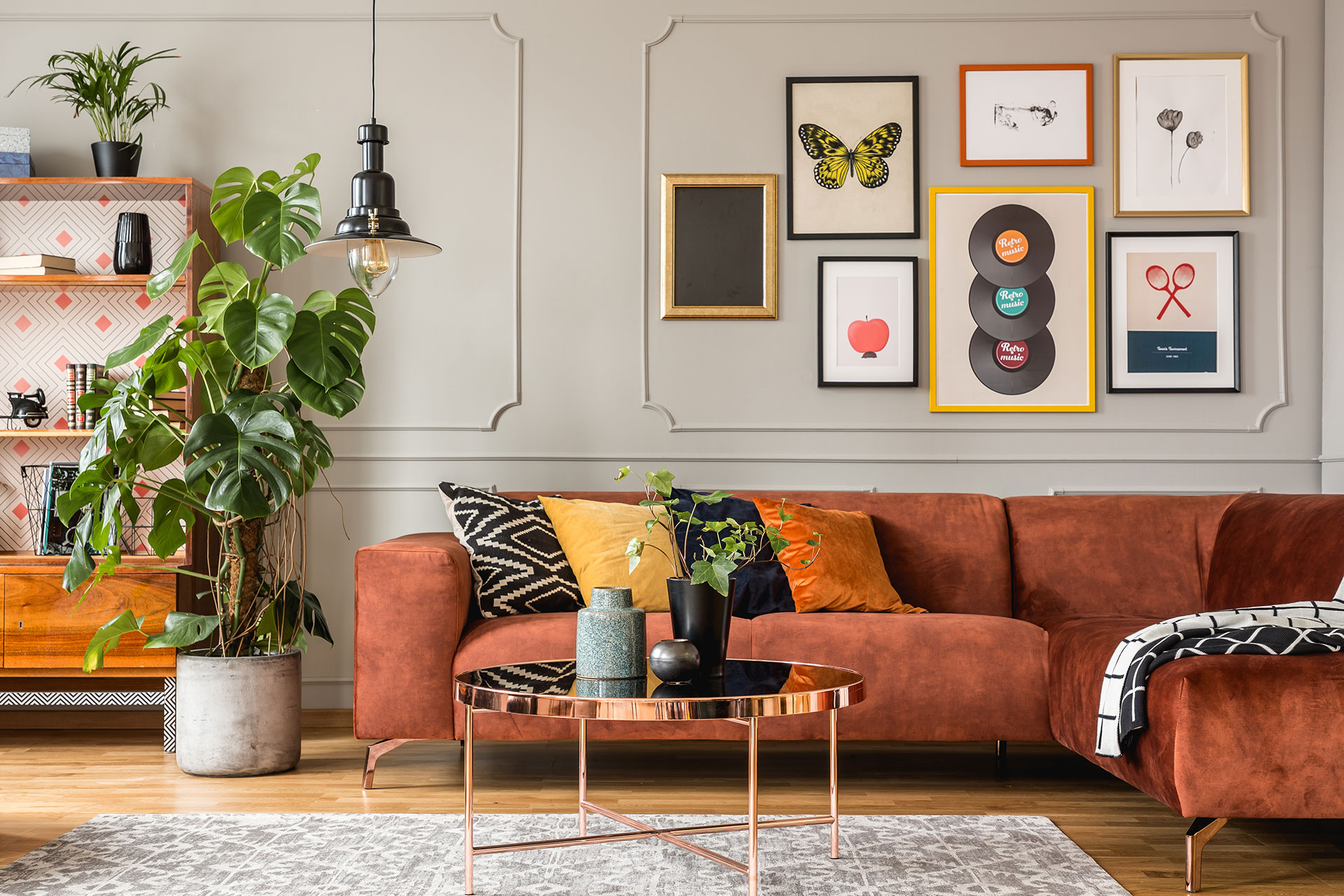
If you’ve been pinning home decor ideas DIY aesthetic boards for months but your actual living room still looks exactly the same, I want you to know — that gap between what you imagine and what you see is the most frustrating place to be. You’re not lacking taste. You’re lacking a clear starting point and an honest budget that doesn’t make you feel like you have to choose between beautiful and responsible.
I’ve helped dozens of readers transform rooms that felt sad and unfinished into spaces they genuinely love coming home to — without blowing past $200. In this article, I’m walking you through everything from defining your personal aesthetic style to the exact materials worth spending on, so by the end you’ll have a real plan, not just more inspiration you don’t know what to do with.
Home Decor Ideas DIY Aesthetic: How to Define Your Style Before You Spend a Dollar
Most people skip this step entirely. They see a Pinterest board they love, run to HomeGoods, and come home with three things that don’t work together.
I did this myself — spent $85 on a woven wall hanging because it looked incredible in someone else’s boho living room. In my space, with my cool gray walls and low-profile sofa, it looked completely random.
The real problem? I hadn’t figured out what my aesthetic actually was before buying anything.
Here’s how I recommend starting: pull 10-15 saved images you love and look for what shows up in almost all of them. Not the specific products — the mood. Warm or cool tones? Busy patterns or clean lines? Cozy and layered, or minimal and airy?
That pattern is your style. Name it. Write it down. “Warm minimal” or “lived-in cottage” or “modern earth tones” — whatever fits. That one phrase becomes your filter for every purchase.
Once you know your aesthetic, a lot of the aesthetic DIY tricks that seem complicated suddenly make sense, because you’re working toward something specific instead of just hoping things click.
This whole process takes maybe 30 minutes. Doing it before you spend a single dollar on home decor ideas diy aesthetic projects will save you more money than any sale ever will.

The Aesthetic Frameworks That Actually Work in Real Homes (Not Just on Pinterest)
Pinterest makes every aesthetic look achievable. But what works in a staged loft with perfect north light doesn’t always translate to a 12-foot living room with a beige carpet you can’t rip out.
So let’s talk about the frameworks that actually hold up in real spaces — the ones I’ve tested across dozens of rooms that weren’t remotely photogenic to begin with.
The three styles I see work most consistently for DIY projects on a budget are warm minimal, soft cottage, and modern earth tones. They share more DNA than people realize — which is exactly why the rules aesthetic modern rooms share apply across all of them, not just the clean-lined ones.
Here’s what separates a framework that works from one that just looks good on a mood board: restraint. Every room I’ve seen fall flat had too many competing ideas crammed into one space.
One reader told me she had six different “vibes” happening in her living room. Boho throw. Mid-century lamp. Farmhouse signs. Nothing anchored anything else.
The fix was simple. Pick one dominant aesthetic, let it lead 80% of the room, and use the remaining 20% for a little personality. That ratio alone changed how her space felt — from chaotic to collected.
When you’re working on home decor ideas diy aesthetic projects, this framework approach saves you from buying things you like individually but that never add up to a room you love.

Budget Breakdown: What You Can Realistically Achieve for Under $50, $100, and $200
Let me be straight with you: $50 goes further than you think, and $200 can genuinely transform a room — but only if you know where to put the money before you spend it.
Here’s what I’ve watched work across dozens of real homes, broken down honestly by budget tier.
Under $50 is all about surface impact. A new throw blanket, two pillow covers, and a small plant in a thrifted pot can reset how a room feels without touching the furniture at all. I redid a reader’s console table corner for $34 total — and her guests thought she’d renovated.
Under $100 opens up bigger moves. This is where you can add a boho bedroom on a budget approach and still have money left — layered textiles, a woven basket or two, a simple DIY gallery wall with frames from the dollar section. The trick is picking one focal point and spending almost everything there.
At under $200, you can tackle a full home decor ideas diy aesthetic refresh. New curtains, a jute rug, and a few well-chosen accessories can make a room feel like a completely different space.
The mistake most people make? Spreading the budget thin across every corner of the room. Concentrate it instead. One statement area done well beats six half-finished ones every time.
If you’re working on home decor ideas diy aesthetic projects at any of these levels, knowing your number before you walk into a store is what keeps you from leaving with things that looked good in the aisle but add up to nothing at home.

Room-by-Room DIY Transformations That Look Expensive Without the Price Tag
Every room has a budget version of beautiful. I’ve just had to figure out what that looks like, room by room, with real constraints.
The living room is usually where I start. A $12 can of paint on a single accent wall does more than a cart full of accessories ever could. Pick the wall your eye lands on first. That’s your target.
Bedrooms are where small moves matter most. Swapping a duvet cover, adding two euro shams, and hanging something above the headboard — that combination alone can make the whole room feel intentional. If you want specific moves that photograph beautifully, the bedroom DIY that looks expensive ideas I’ve tested are a good place to dig in.
Kitchens feel impossible to change without renovation. They’re not. I had a reader swap her cabinet hardware for brushed brass pulls — under $30 total — and her kitchen looked like it belonged in a design magazine. Nobody guessed.
Bathrooms? One framed mirror from a thrift store, one candle, one folded linen towel draped over the edge of the tub. Done. The whole room shifts.
The thread connecting all these home decor ideas diy aesthetic transformations is the same: one focused change per room, not ten scattered ones. Concentrate the effort where your eye naturally lands, and the rest of the room follows.

The Best Materials and Supplies That Elevate DIY Projects From Cheap to Chic
Material choice is where budget DIY either looks intentional or looks cheap. Full stop.
I learned this the hard way. Spent $40 on a macramé wall hanging made from scratchy synthetic cord — it looked plasticky in person, nothing like the linen-textured version in the photo that inspired it. Returned it, bought natural cotton rope instead for $11 more, and the finished piece looked like something from an Etsy shop charging $90.
The difference wasn’t skill. It was the material itself.
So what actually works? A few swaps I recommend every time: choose linen or cotton over polyester for anything textile, pick raw wood or mango wood for small accents instead of MDF painted to look like wood, and always reach for matte finishes on frames and hardware — shiny plastic reads as cheap even from across the room.
This is where smart DIY material upgrades genuinely change the outcome without requiring a bigger budget, just better choices at the store.
For home decor ideas diy aesthetic projects specifically, texture is your biggest lever. A jute basket, a ceramic vase, a chunky knit throw — layering different textures in one corner does more than doubling the number of accessories ever could.
Spend on material quality. Save on quantity. That one rule has never failed me.

Thrift Store and Secondhand Finds Worth Transforming (And Which Ones to Skip)
Thrift stores are full of treasure. They’re also full of traps — and I’ve fallen into enough of them to know the difference on sight now.
The things worth grabbing every time: solid wood frames, ceramic or stoneware vases, heavy linen or cotton textiles, and anything with good bones hiding under bad paint. A $4 wooden frame with a fresh coat of matte black spray paint looks like it came from a boutique. Every time.
The things I always walk past: particle board furniture that’s swollen at the edges, synthetic throw pillows with that shiny polyester sheen, and anything with a strong smell. No amount of DIY fixes that.
One of my best thrift finds was a chunky ceramic lamp base — $6, mustard yellow, genuinely ugly. A $4 can of chalky white spray paint and a new shade from IKEA turned it into the most-complimented piece in my living room.
If you’re curious how vintage finds in modern spaces can feel cohesive instead of cluttered, the key is limiting yourself to pieces that already share your dominant aesthetic — in material, finish, or silhouette.
For home decor ideas diy aesthetic projects on a real budget, thrifting is your biggest advantage. But only if you shop with your style filter already locked in. Walk in without one, and you’ll carry home $30 worth of stuff that never quite fits anywhere.

How to Layer Textures, Colors, and Lighting the Way Interior Designers Do
Most people treat texture, color, and lighting as three separate decisions. They’re not. They work as a system — and when one is off, the whole room feels flat no matter what you spent.
Here’s where I’d start: light first, always. A room with overhead-only lighting will kill even the most beautiful DIY setup. Add one warm lamp at eye level and watch the entire space soften.
I tested this in my own living room. Same furniture, same accessories — just swapped the overhead for a $22 floor lamp with a warm bulb. Three people asked me what I’d changed. Nobody guessed it was just the light source.
From there, build your texture layers in threes. Something rough (jute, woven baskets), something soft (linen throw, cotton pillow), something hard and smooth (ceramic, wood tray). That contrast is what makes a corner look intentional instead of just full.
Color is trickier, but the rule is simple: pick one dominant tone, one supporting tone, and one small pop. If you want a deeper breakdown, the way I think about color layering for any room comes down to that same three-part logic, scaled to whatever palette fits your aesthetic.
For home decor ideas diy aesthetic projects, restraint in color does more than adding more shades ever will. Three tones, done consistently, beat a rainbow of “maybe this works” every single time.

DIY Aesthetic Mistakes That Make Your Home Look Unfinished or Cluttered
I see this constantly. Someone finishes a room, steps back, and it just feels… off. Not bad exactly. Just unfinished. Like something’s missing but they can’t name what.
Usually it’s not what’s missing. It’s what’s overcrowded.
I had a reader send me photos of her entryway once. Seven decorative objects on one small console. Every single one was cute on its own. Together they looked like a yard sale. The fix wasn’t buying anything — it was removing four things she already owned.
Clutter is the most common home decor ideas diy aesthetic mistake I see, but it’s not the only one. Here are the others that trip people up most:
- Mismatched frame finishes — gold, black, silver, all on the same gallery wall. Pick one metal and stick to it.
- Too-small rugs — if the furniture legs aren’t touching it, it’s the wrong size. This one mistake makes a room look accidental.
- Skipping the craft mistakes to avoid that sabotage DIY projects before they even go on the wall.
- Unfinished edges — raw command strips showing, wires dangling, curtain rods hung too low. Details kill the illusion.
For home decor ideas diy aesthetic projects specifically, the “more is more” instinct is your enemy. Edit ruthlessly. A room with five perfect things beats fifteen decent ones every single time.

Final Thoughts: Building a Home That Feels Curated, Personal, and Entirely Yours
Here’s what I want you to take away from all of this.
A curated home isn’t about budget. It isn’t about square footage or Pinterest-perfect lighting. It’s about knowing your aesthetic, committing to it, and making deliberate choices instead of random ones.
I’ve watched a reader turn a sad, beige apartment into something warm and intentional for under $160 total. No renovations. No big furniture purchases. Just clarity about what she wanted — and the patience to edit down instead of pile on.
That’s the real skill. Not the DIY technique or the thrift store find. The editing.
Every home decor ideas diy aesthetic project I’ve seen succeed had one thing in common: the person behind it made a decision about who they were decorating for and what feeling they were chasing. Then they stopped second-guessing every purchase and started trusting the process.
Your home doesn’t need to look like anyone else’s board. It needs to look like yours.
So close the tab with forty-seven saved pins. Pick your aesthetic phrase. Set your budget. Start with one room, one corner, one focused change — and build from there.
That’s how rooms go from feeling like a waiting area to feeling like somewhere you actually want to be. And honestly? That shift is worth every bit of the work it takes to get there.