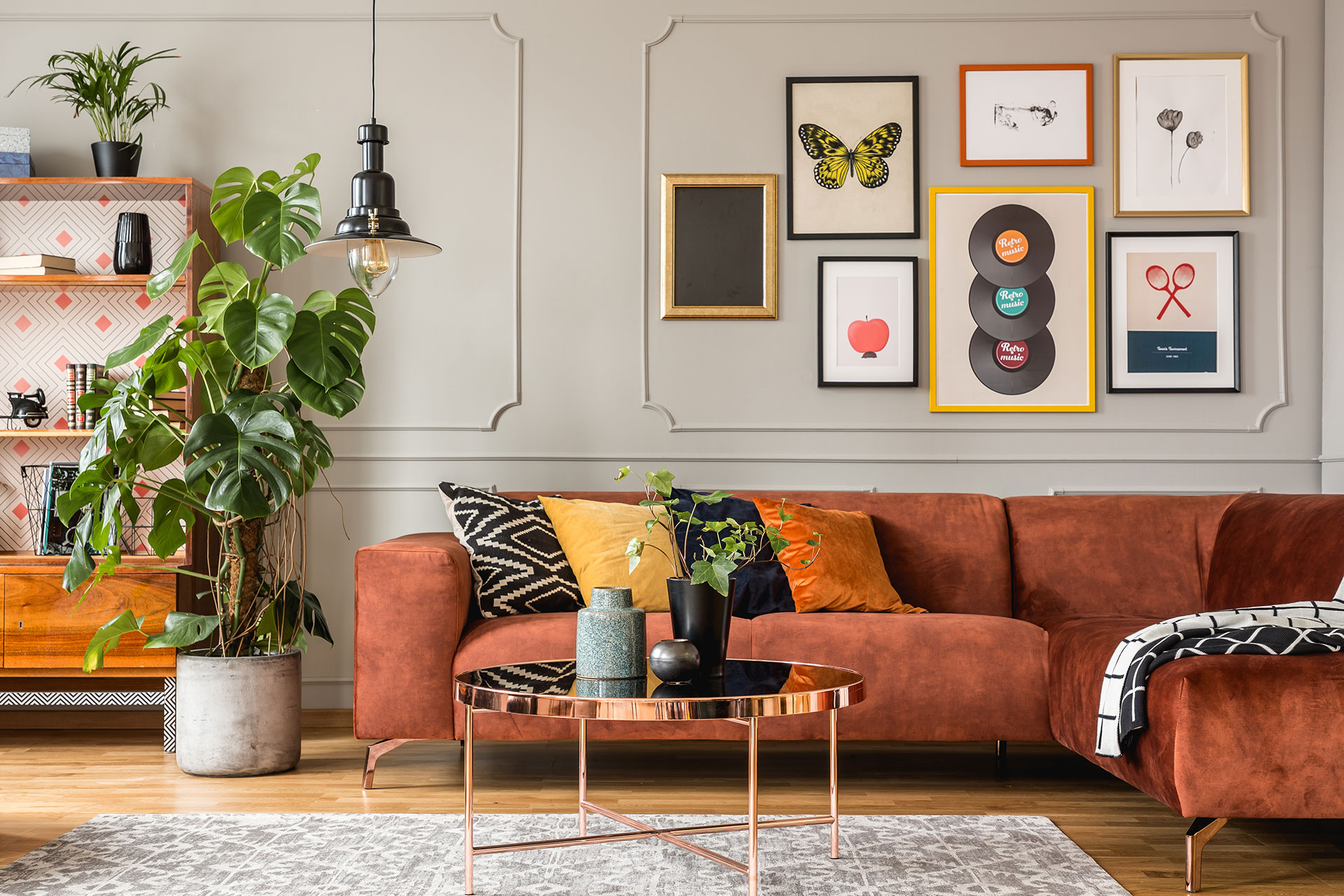
If you’ve been searching for home decor ideas tree styling can actually pull off year-round, I’d bet you’re tired of rooms that feel flat, forgettable, or just… not quite yours. You know something’s missing. The furniture is fine, the colors work, but nothing in the space feels alive or intentional.
I’ve helped a lot of people work through exactly this, and almost every time, one well-chosen tree — real or beautifully made — turns out to be the thing that ties a whole room together.
In this article, I’ll walk you through how to choose the right tree for your space, where to place it, what to pair it with, and how to keep it feeling fresh no matter the season.
How to Use Home Decor Ideas Tree Styles to Transform Any Room

Trees do something no other decor element can quite replicate. They bring vertical energy into a room — drawing the eye upward, filling awkward corners, and making a space feel layered without cluttering it.
I learned this firsthand when I styled a narrow living room that felt suffocating no matter what I tried. Swapped out a floor lamp for a tall fiddle leaf fig. The room opened up immediately — not because anything moved, but because the eye finally had somewhere to travel.
That’s the thing about trees in interiors. They’re not decoration in the traditional sense. They’re structural anchors that reshape how a room feels at its core.
So how do you actually use them well? It starts with treating the tree like a piece of furniture — not an afterthought. Think about scale, placement, and what surrounds it before you ever bring one home.
If you’re looking for simple ways to transform your home without a full renovation, a single statement tree is honestly one of the highest-impact moves you can make for under $100.
The right home decor ideas tree placement changes how natural light moves through a space too. Near a window, a real or faux tree casts soft, shifting shadows that add life to even the flattest wall.
Start with one room. Pick the corner that feels dead. That’s your tree’s spot.
Choosing the Right Tree for Your Space: Size, Style, and Placement

Size is the thing most people get wrong first. I see it constantly — someone picks a tree that looks perfect in the store, gets it home, and it disappears into the room like it was never there.
A good rule of thumb: your tree should reach at least two-thirds of your ceiling height. In most American homes, that means you’re shopping for something in the 6–7 foot range, minimum.
Style matters just as much. A sculptural olive tree reads completely differently than a dense, tropical monstera. One feels airy and Mediterranean. The other feels lush and layered. Think about what aesthetic living rooms share when they work — it’s almost always that every element, including plants, speaks the same visual language.
So before you buy, look at your existing furniture. Clean lines and neutral tones? Go for something with an open, architectural silhouette. Warm textures and eclectic pieces? A fuller, leafier tree will feel more at home.
Placement comes down to one question: where does your eye go first? If it goes to a blank wall or dead corner, that’s your answer right there.
Avoid pushing the tree flat against a wall. Pull it 6 to 8 inches forward so it casts a shadow and feels three-dimensional. That small shift changes everything about how the space reads.
One last thing. Near a light source — natural or artificial — even a faux tree comes alive. The light catches the edges of the leaves and suddenly it looks real enough that nobody questions it.
Pairing Trees with Plants and Greenery for a Layered, Living Look

A single tree is a starting point. But the rooms that really stop you in your tracks? They layer.
What I mean is this: one tall tree anchored in the corner, then a trailing pothos on a side table nearby, then something low and textural — like a snake plant — on the floor a few feet away. It creates a visual rhythm that feels intentional without looking staged.
I styled a client’s reading nook this way last spring. She had a gorgeous faux olive tree already in place, but the room still felt bare. We added two smaller plants at different heights around it and the whole corner transformed in under twenty minutes.
The key is varying height. Not just tall and short — think three distinct levels: ceiling-height, eye-level, and floor. That spread is what gives a space that lush, layered quality you see in magazine photos.
If you’re not sure which plants hold up well next to a statement tree, I’ve put together a guide to stunning plants for your space that pairs beautifully with this kind of approach.
Texture matters too. Mix broad, flat leaves with feathery or trailing ones. The contrast keeps the eye moving without anything feeling chaotic.
And don’t overthink the pots. Matching materials — like terra cotta throughout, or all matte black — ties mismatched plant varieties together instantly. That single choice makes a home decor ideas tree grouping look curated, not accidental.
Bringing Nature Indoors: How to Build a Cohesive Botanical Aesthetic

A botanical aesthetic isn’t about filling every surface with plants. It’s about creating a feeling — like the room breathes.
The way I approach it: start with your statement tree, then build outward from there. Everything else — artwork, textiles, smaller plants — should echo that natural energy rather than compete with it.
Natural materials matter more than most people realize. Linen, jute, raw wood, woven baskets. When those textures surround a tree, the whole room starts to feel like one connected thing instead of separate pieces sitting near each other.
I had a client who kept buying plants but the room still felt disconnected. Turned out her pots were fighting each other — ceramic, plastic, metallic, all mixed. We swapped everything into matching woven baskets and suddenly the whole space read as intentional.
Color plays into this too. Leaning into warm greens, earthy browns, and soft creams creates a palette that makes any bringing the outdoors indoors approach feel cohesive rather than chaotic.
Wall art can carry the theme forward without adding more plants. Botanical prints, pressed leaf frames, even a simple branch hung on the wall — these extend the visual story your home decor ideas tree started.
Keep the overall feel grounded. Too many competing elements and you lose that calm, lived-in quality that makes botanical spaces so appealing in the first place.
Using Vases, Vessels, and Planters to Elevate Your Tree Displays

The pot is part of the design. I learned this the hard way after spending weeks styling a corner around a beautiful faux fiddle leaf, only to realize the plastic nursery container it was sitting in was killing the whole look.
Swap that out first. A tall woven basket or a chunky terra cotta pot — something with real weight and texture — changes how the tree reads in the room instantly.
Scale matters here too. The planter should feel like it belongs to the tree, not disappear beneath it. I usually recommend a pot that’s at least 12 inches wide for anything taller than five feet. Anything smaller looks like the tree is floating.
For groupings — a tree plus a couple of smaller plants nearby — keep the vessels in the same material family. Not identical, just related. That’s one of the boho styling tricks that work across almost any aesthetic, not just bohemian spaces.
Color plays into it too. Warm neutrals — cream, sand, rust — sit beautifully under green foliage. Cool grays and whites feel more modern, more crisp.
And don’t ignore height under the planter. A simple riser or wooden stool lifts the tree just enough to shift the whole home decor ideas tree moment from planted to intentional. That few extra inches of lift does more than most people expect.
Incorporating Flowers and Floral Accents Alongside Statement Trees

Flowers next to a statement tree. It sounds like a lot, but done right, it’s one of the most naturally beautiful combinations in home styling.
The trick is keeping flowers low and loose — not stiff, not formal. A simple ceramic vase with a few stems of dried pampas or eucalyptus placed on a side table near the base of your tree feels effortless. Structured flower arrangements in tall vases compete. Relaxed, organic stems complement.
I made this mistake with a client last fall. She’d placed a gorgeous floral arrangement right next to her faux olive tree and the whole corner felt busy. We dropped the arrangement to a lower surface, switched to a handful of dried cotton stems in a small earthy vase, and suddenly everything breathed again.
Color is where most people overthink it. If you’re already using color to fix dull rooms, carry that thinking here — warm cream flowers against deep green foliage is almost foolproof, and blush tones add softness without feeling fussy.
Dried flowers hold up better than fresh for this purpose. They last months, they don’t drop petals onto your floors, and the muted tones pair with almost any home decor ideas tree style without clashing.
Fresh flowers work too, but keep them in smaller vessels — nothing taller than 10 inches near a statement tree. You want them to feel like a detail, not a second focal point stealing the room’s attention.
Room-by-Room Inspiration: Where Trees Make the Biggest Visual Impact

Different rooms call for different trees. And honestly, the room most people overlook is the one where trees make the biggest difference of all.
The entryway. That first glimpse when you walk through the door sets the tone for the whole home. A tall, slender tree — something like a eucalyptus or a braided ficus — placed just inside the entry tells visitors immediately that this space is considered and alive.
Living rooms are the obvious choice, and for good reason. A tree anchored in the corner behind a sofa creates depth that no art print or lamp can replicate. If you’re already exploring cozy living room decor ideas, adding a statement tree is the fastest way to make the whole room feel pulled together.
Bedrooms surprise people. I had a client who was convinced trees belonged only in common areas. We placed a slim, airy fiddle leaf in the corner opposite her bed and she texted me the next morning saying it felt like waking up somewhere on vacation.
That’s the emotional payoff of a well-placed home decor ideas tree — it shifts how a room feels, not just how it looks.
Dining rooms and home offices work too. Near a window in either space, a tree softens the hardest edges — the rigid table, the desk, the screen — and brings something warm and organic into rooms that can easily feel cold.
One tree per room is enough. Let it do its job without competition.
Seasonal and Budget-Friendly Ways to Refresh Your Tree Decor Year-Round

This is where a faux tree earns its price tag back, over and over.
Because you can style around it differently each season without touching the tree itself. In fall, swap the planter into a deep rust-colored basket and tuck a few dried stems of pampas or wheat at the base. If you’re already pulling together fall home makeover ideas, this one small change costs almost nothing and shifts the whole corner instantly.
Winter? Drape a strand of warm white lights loosely through the branches. Done. The tree becomes a whole mood without a single new purchase.
I refreshed the same faux fiddle leaf in my own living room four times last year. Different basket, different base styling, different small accents nearby. Total spend across all four updates: under $40.
That’s the real case for treating your home decor ideas tree as a permanent anchor. Everything around it can shift cheaply while the tree itself stays put.
Spring and summer are easy. Lighter textures — a natural jute basket, a few bright green trailing plants nearby, maybe a simple linen throw on the chair beside it. The whole room feels fresher without anything dramatic changing.
One rule I stick to: change one thing at a time. New planter, new base accent, or new nearby plants — not all three at once. That’s how seasonal refreshes stay intentional instead of starting to look chaotic.
Common Mistakes That Make Tree Decor Look Cluttered Instead of Curated

The biggest mistake I see? Too much, too close. People fall in love with the idea of a lush corner and keep adding — another plant, a lantern, a stack of books, a throw blanket draped over the pot. What started as a statement becomes a pile.
One corner in a client’s home had a beautiful faux olive tree buried under four other plants, two baskets, and a collection of candles. You couldn’t even see the tree. We pulled everything out and put back just two items. The tree finally had room to breathe — and so did the room.
The rules modern rooms always follow apply here too: negative space isn’t empty space, it’s what makes the thing you’re keeping actually land.
Scale mismatches are the other culprit. A tiny pot under a six-foot tree. A low trailing plant trying to anchor a tall corner. Nothing relating in height means the eye has nowhere to rest.
Sound familiar? Most people fix it by adding more. The actual fix is editing down.
A good home decor ideas tree moment usually has three elements max surrounding it — the tree, one companion plant, one grounded object like a basket or low stool. That’s it. Anything beyond that starts working against you.
The last mistake is mismatched vessels fighting for attention. Pick one material family and stick to it. That single constraint is what separates a curated home decor ideas tree display from something that just looks busy.
Final Thoughts: Why a Single Tree Can Be the Design Move Your Home Has Been Missing
Most design changes require a budget, a weekend, or a contractor. A tree requires none of those things.
That’s what I keep coming back to every time someone asks me where to start with a room that just isn’t working. One well-placed tree — real or faux — does more visual heavy lifting than most furniture swaps I’ve ever recommended.
I placed a single faux olive tree in my own home office about two years ago. Took ten minutes. The room finally felt like somewhere I actually wanted to sit.
That’s the thing about a home decor ideas tree done right. It doesn’t just fill a corner. It gives the whole room a reason to exist around it.
If you’re figuring out where to put your decorating energy this year, I’d point you toward what’s worth it in 2026 before spending on anything else — because trees consistently rank as one of the highest-return changes you can make for the lowest cost.
Pick one room. Find the corner that feels dead. Get the scale right, pull the pot a few inches from the wall, and let the tree do its job.
You don’t need a full room refresh. You don’t need a designer. A single home decor ideas tree moment, styled with intention, is genuinely enough to shift how a space feels every single day you walk into it.
Start there. Everything else follows.