
بِسْمِ اللَّهِ الرَّحْمَٰنِ الرَّحِيمِ
شروع اللہ کے نام سے جو بڑا مہربان نہایت رحم والا ہے
In the name of Allah, the Most Gracious, the Most Merciful
Rabbana Zalamna Anfusana is a very powerful and emotional dua from the Qur’an. It is a humble prayer that teaches us how to seek forgiveness from Allah with sincerity. This dua was recited by Prophet Adam (A.S.) and his wife Hawwa (A.S.) when they realized their mistake and turned back to Allah. Because of its profound meaning and spiritual impact, Muslims around the world recite it to seek mercy, hope, and a fresh start.
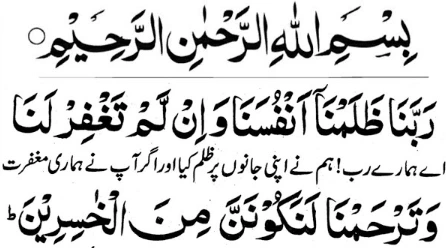
This prayer is short, simple, and easy to remember—yet it carries immense blessings. It softens the heart, cleanses the soul, removes guilt, and brings a person closer to Allah. In this detailed guide, you will learn its meaning, benefits, when to recite it, and why every Muslim should make it part of daily life. It is also commonly known as the rabbana zalamna dua, and understanding it deeply can transform your spiritual journey.
The phrase rabbana zalamna anfusana appears in Surah Al-A’raf (7:23). It translates to:
“Our Lord, we have wronged ourselves.”
It is the beginning of a longer supplication known as the rabbana zalamna anfusana full dua, which continues by asking Allah for forgiveness and mercy.
This dua is a sincere confession that humans make mistakes, sometimes knowingly and sometimes unknowingly. By reciting it, we admit our weaknesses and turn back to Allah, just like Prophet Adam (A.S.) did after slipping in Paradise.
The complete Arabic text of the rabbana zalamna anfusana dua in arabic is:
رَبَّنَا ظَلَمْنَا أَنفُسَنَا
وَإِن لَّمْ تَغْفِرْ لَنَا وَتَرْحَمْنَا لَنَكُونَنَّ مِنَ الْخَاسِرِينَ
This dua means:
“Our Lord, we have wronged ourselves. And if You do not forgive us and have mercy on us, we will surely be among the losers.”
This beautiful prayer reminds us that:
The rabbana zalamna anfusana dua meaning shows that without Allah’s mercy, no one can succeed. True success comes when Allah forgives and guides us.
This dua is linked to one of the earliest and most important stories in Islam—the story of Prophet Adam (A.S.) and Hawwa (A.S.). After they ate from the forbidden tree, they felt regret and immediately turned to Allah with this prayer.
This teaches us:
The story behind the rabbana zalamna anfusana dua makes it even more powerful and meaningful.
Reciting this dua brings many blessings. Here are the main benefits explained in simple words:
This dua is directly connected with repentance (taubah). When you feel guilty or spiritually low, it helps you seek Allah’s mercy with a clean heart.
Guilt and sins often cause heaviness of heart. Reciting this dua brings calmness and a feeling of relief.
When you admit your mistakes openly, Allah becomes closer to you. This dua softens your heart and improves your faith.
Saying this dua regularly helps you avoid sin and develop self-control.
It reminds us that only Allah is perfect and we depend on Him. This makes us more humble and grateful.
The dua says “we will be among the losers,” which means this supplication becomes a shield against loss, regret, and misguidance.
No matter how big your sin is, Allah’s mercy is bigger. This dua gives emotional strength and hope to start fresh.
You can recite it anytime, but these moments are especially recommended:
When you feel you have done something wrong, recite this dua sincerely.
Late-night prayers with this dua are mighty.
Reciting it after daily prayers increases spiritual closeness.
It helps bring the heart back to Allah.
This dua brings mercy, ease, and comfort.
It completes your repentance and brings purification.
Here is an easy method to follow:
This simple practice can profoundly change your heart.
The rabbana zalamna anfusana dua is not just a phrase; it is a heartfelt prayer of hope, forgiveness, and new beginnings. It teaches humility, brings inner peace, and helps build a strong relationship with Allah. Whether you feel lost, guilty, or spiritually weak, reciting this dua can provide the comfort you need.
Always remember that Allah loves those who repent sincerely, just as Prophet Adam (A.S.) did. Add this powerful prayer to your daily routine and let it become a source of healing, mercy, and guidance. May Allah forgive our mistakes and keep us on the right path. Ameen.
It means: “Our Lord, we have wronged ourselves, and if You do not forgive us and have mercy on us, we will surely be among the losers.”
It means: “Aye hamare Rabb! Hum ne apne aap par zulm kiya hai. Agar Tu humein maaf na kare aur hum par reham na kare, to hum nuksaan uthane walon mein se ho jayenge.”
It is found in Surah Al-A’raf, verse 23.